



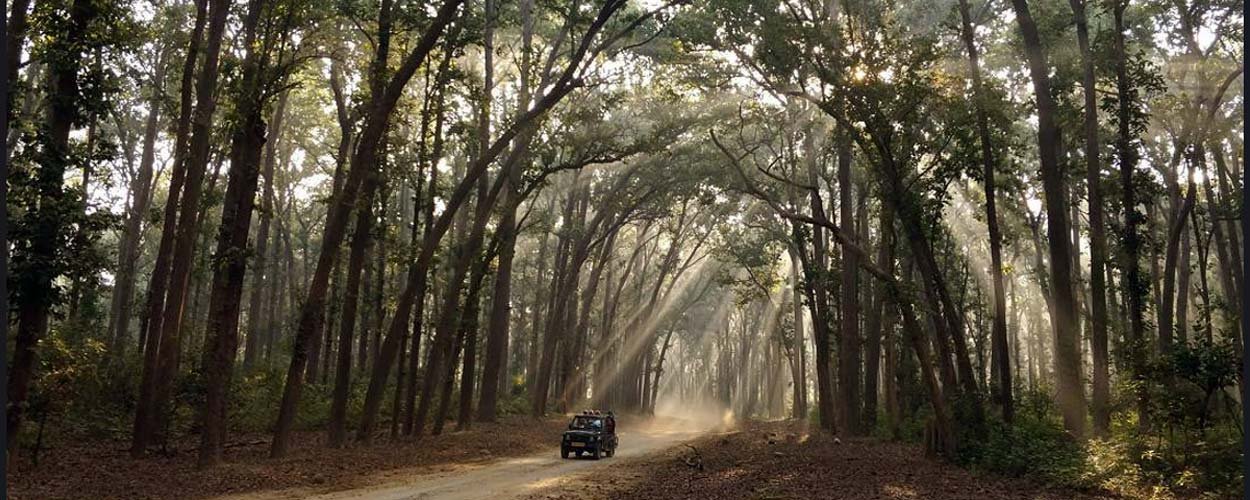
Best Time to Visit Jim Corbett National Park
Best Time to Visit Jim Corbett National Park
Jim Corbett National Park, located in the Himalayan foothills of Uttarakhand, is one of India's most scenic and biologically diverse wildlife destinations. Because the park is spread across grasslands, riverbanks, dense sal forests, hills and riverine belts, the landscape changes dramatically from season to season-making every visit special in its own way.
However, choosing the best time to visit depends on what you want from your Corbett experience-tiger sightings, birdwatching, photography, peaceful resort stay, or simply a nature holiday. This comprehensive guide explains weather patterns, safari conditions, zone availability, seasonal wildlife behavior, and ideal travel months to help you plan your trip perfectly.
Seasonal Overview of Jim Corbett National Park
Corbett experiences three primary seasons:
- Winter: November to February
- Summer: March to June
- Monsoon: July to September
Each season has its own charm and suitability depending on the visitor's preference. Some zones remain open year-round, while others follow specific opening and closing schedules based on weather and forest regulations.
Winter Season (November to February)
The winter months are considered one of the best times to visit Jim Corbett due to the pleasant weather, clear skies and excellent wildlife visibility. The forest feels fresh and vibrant after the monsoon, with lush green vegetation and abundant water sources.
✔ Weather Conditions
- Daytime: 10°C - 20°C
- Night: 2°C - 8°C
- Cold mornings with misty landscapes
✔ Why Winter Is Ideal
- Most comfortable climate for safaris
- Clear visibility and stunning photography lighting
- Peak birdwatching season with migratory species
- Grasslands and riverbanks look beautiful
✔ Wildlife Behavior in Winter
Animals are highly active in the mornings as they come out to bask in the sunlight. Herbivores can be seen grazing in open spaces, increasing the probability of predator movements.
✔ Best Zones in Winter
- Bijrani
- Garjiya
- Dhikala
- Dhela
- Durga Devi
Dhikala is especially breathtaking in winter with its golden grasslands and crystal-clear Ramganga river views.
Summer Season (March to June)
Summer is one of the most preferred seasons for wildlife enthusiasts. Although the temperatures rise, this is when animal sightings are often highest due to restricted water sources and increased movement.
✔ Weather Conditions
- Daytime: 30°C - 42°C
- Night: 20°C - 25°C
- Dry and warm, with bright sunlight
✔ Why Summer Is Excellent for Safaris
- Tigers and elephants frequently visit waterholes
- High visibility due to reduced vegetation
- Early morning safaris offer pleasant weather
- Best for photographers capturing natural behavior
✔ Wildlife Behavior in Summer
Animals spend more time near water bodies-especially tigers, elephants, deer, and birds. The chances of spotting predators increase significantly in zones with natural water sources.
✔ Best Zones in Summer
- Dhikala
- Bijrani
- Jhirna
- Dhela
Dhikala and Bijrani are particularly rewarding in these months for their vast open areas and watering points.
Monsoon Season (July to September)
The monsoon transforms Corbett into a lush green paradise, with rains rejuvenating the entire forest ecosystem. However, this season also brings certain restrictions due to safety concerns and preservation efforts.
✔ Weather Conditions
- Daytime: 25°C - 30°C
- Night: 20°C - 24°C
- Frequent rainfall, humid conditions
✔ What Makes Monsoon Special
- Dramatic greenery and scenic landscapes
- Peaceful, low-crowd travel period
- Great resort deals and quiet getaways
✔ Safari Zone Availability in Monsoon
The forest department closes many core zones for safety and conservation:
- Closed Zones: Bijrani, Dhikala, Durga Devi, Garjiya
- Open Zones: Jhirna (usually year-round), Dhela (sometimes open)
✔ Who Should Visit in Monsoon?
- Nature lovers
- Photographers seeking greenery
- Resort travelers
- People looking for peaceful retreats
Monsoon is not ideal for tiger tracking but excellent for relaxation and scenic beauty.
Post-Monsoon Season (October)
October is a transitional period when the forest reopens after monsoon closures. It marks the beginning of the new tourist season.
✔ Highlights of October Travel
- Freshly revived greenery
- Pleasant temperatures
- Opening of most safari zones
- Clear skies and beautiful landscapes
Safari bookings are high during this period due to the reopening excitement.
The Best Months to Visit Jim Corbett (According to Travel Purpose)
✔ For Tiger Sightings
- April
- May
- June
- November
- December
✔ For Family Holidays
- November to February
- March
- October
✔ For Birdwatching
- December
- January
- February
- March
✔ For Photography
- November to April
- Post-monsoon October
✔ For Peaceful Resort Stays
- July to September (Green months)
- Early February (low crowd)
Safari Zone Opening & Closing Schedule
Every zone in Corbett follows a specific operational schedule based on weather and road conditions.
✔ Dhikala Zone
- Opens: 15 November
- Closes: 15 June
✔ Bijrani Zone
- Opens: 15 October
- Closes: 30 June
✔ Jhirna Zone
- Open all year
- Closed only during heavy rains
✔ Dhela Zone
- Usually open year-round
- Closures possible in monsoon
✔ Durga Devi Zone
- Opens: 15 October
- Closes: 30 June
✔ Garjiya Zone
- Opens: 15 October
- Closes: 30 June
Visitors must confirm zone availability before planning their trip.
Which Is the Best Time Overall?
Although every season offers something unique, the generally preferred time is:
✔ **November to April**
This period covers winter and spring, offering excellent weather, clear visibility, active wildlife movements and open access to most safari zones.
✔ For Sightings → Summer (April-June)
Wildlife gathers near water sources, increasing viewing chances.
✔ For Comfort → Winter (November-February)
Cool climate, great for families.
✔ For Peace → Monsoon (July-September)
Perfect for scenic stays and relaxation.
Travel Tips Based on Weather
- Carry warm clothing in winter mornings
- Avoid heavy jackets during summer safaris
- Use waterproof covers for electronics in monsoon
- Book early during holidays (Christmas-New Year, long weekends)
- Check safari reporting times before planning meals
The best time to visit Jim Corbett National Park depends on your travel preferences. Winter is excellent for comfortable safaris and family trips, summer is ideal for wildlife enthusiasts seeking sightings, and monsoon offers a peaceful escape in lush green surroundings. With proper planning and understanding of seasonal variations, visitors can enjoy Corbett's landscapes, wildlife and forest environment throughout the year.
For personal guidance, safari planning and resort suggestions based on your travel month, Corbett Travel Experts is here to assist you anytime.
Corbett Travel Experts is a dedicated local travel facilitator based near Jim Corbett National Park, helping visitors plan safe, comfortable and well-guided wildlife trips. Corbett Travel Experts focuses on clear communication, reliable coordination and smooth arrangements, making it easier for families, couples, groups and nature lovers to explore Corbett responsibly and enjoy a memorable travel experience.