



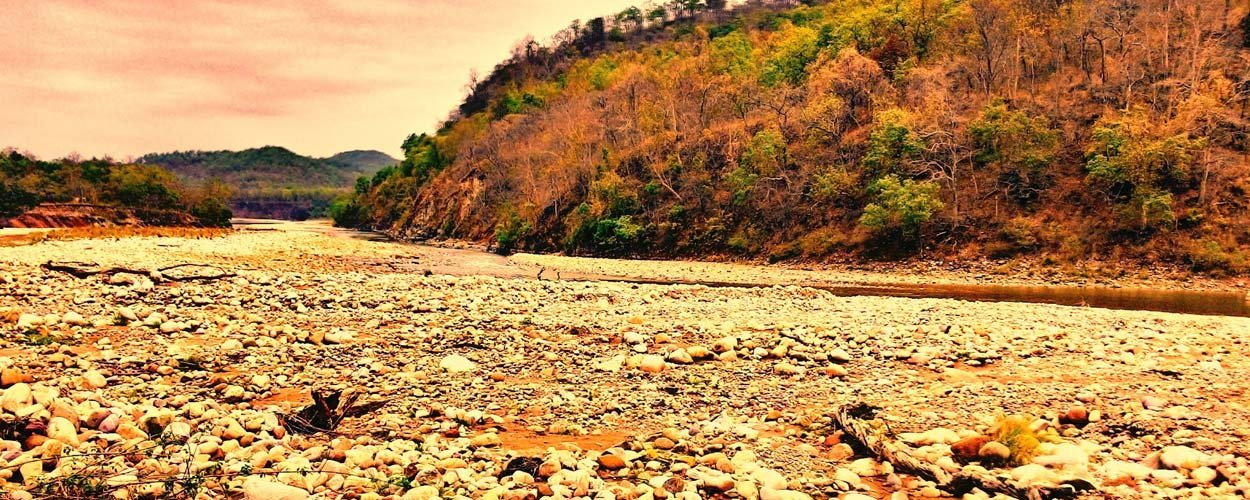
Flora & Fauna in Jim Corbett National Park
Flora & Fauna in Jim Corbett National Park
Jim Corbett National Park, India's oldest national park and a part of the Corbett Tiger Reserve, is one of the subcontinent's richest biodiversity zones. Located at the Himalayan foothills in Uttarakhand, Corbett enjoys a unique geographical position that creates diverse habitats-grasslands, riverine belts, dense sal forests, hills, marshlands and open woodland. This mix supports a vast variety of flora and fauna, making Corbett one of the finest wildlife destinations in Asia.
This detailed and well-researched page highlights the major plant species, animal life, bird population, amphibians, reptiles, insects and ecological importance of Corbett's natural heritage. The content is crafted for visitors, nature lovers, researchers and students looking to understand Corbett's biological richness.
Flora in Jim Corbett National Park
Jim Corbett National Park boasts over 600 species of plants, from towering sal trees to delicate riverine vegetation. The park's location at the junction of the Himalayan foothills and the plains creates a favourable climate for dense forests, shrubs, herbs, climbers and grasslands.
1. Sal Forests (Shorea Robusta)
Sal is the dominant tree species in Corbett, covering almost 75% of the total forest area. These majestic evergreen trees form dense canopies and provide essential shade and habitat to numerous wildlife species.
2. Mixed Deciduous Forests
Areas where sal trees are mixed with other deciduous species enhance the biodiversity. Common trees include:
- Haldu
- Semal
- Bhuransh
- Dhak (Flame of the Forest)
- Amaltas
- Rohini
3. Riverine Vegetation
The Ramganga, Mandal and Sonanadi rivers support thick riverine vegetation. This includes:
- Jamun
- Kanju
- Figs
- Bamboo clusters
- Willow trees
- Khair
4. Grasslands (Chaurs)
Grasslands such as Dhikala Chaur, Phulai Chaur and Buxar Grassland are important grazing grounds for deer and elephants. These wide meadows host seasonal grasses like:
- Elephant grass
- Vetiver
- Kansi grass
- Red oat grass
5. Shrubs, Herbs & Wildflowers
The forest floor blooms beautifully post-monsoon with species such as:
- Marigold
- Morning glory
- Wild orchids
- Medicinal herbs
- Lantana and Berberry shrubs
Fauna in Jim Corbett National Park
Corbett is globally recognized for its abundant wildlife. The park hosts:
- 50+ species of mammals
- 600+ species of birds
- 25+ reptiles
- Mid-Himalayan aquatic life
- Numerous butterflies and insects
The diversity is unmatched among India's national parks, making Corbett a dream destination for nature enthusiasts.
Major Mammals in Jim Corbett
1. Royal Bengal Tiger
The flagship species of Corbett, the Bengal tiger thrives in dense sal forests, riverbanks and grasslands. Corbett's healthy prey base and vast habitat make it one of the best tiger territories in India.
2. Asian Elephant
Corbett has a strong population of these gentle giants. Elephant herds are commonly seen in Dhikala, Dhela, Jhirna and Bijrani zones.
3. Leopards
Elusive and secretive, leopards roam rocky terrains and forest edges. They are often seen in Dhela and Durga Devi areas.
4. Deer Species
Corbett is home to multiple deer species:
- Spotted Deer (Chital)
- Sambar Deer
- Kakar (Barking Deer)
- Hog Deer
5. Sloth Bear
A shy but powerful species, sloth bears are occasionally seen in Jhirna and Dhela zones.
6. Wild Boar
These are common prey animals found across the park.
7. Other Mammals
- Civet cats
- Otters near Ramganga river
- Yellow-throated martens
- Indian grey mongoose
- Jackals & foxes
Birdlife in Jim Corbett National Park
Corbett is one of India's finest birding destinations with a recorded population of 600+ bird species.
Popular Bird Species Include:
- Crested serpent eagle
- Pallas's fish eagle
- Great hornbill
- Kingfishers
- Flycatchers
- Drongos
- Woodpeckers
- Himalayan griffon
Best Birdwatching Zones:
- Dhela
- Durga Devi
- Gairal forest stretch
- Dhangarhi river belt
Reptiles, Amphibians & Aquatic Species
Reptiles:
- Indian python
- King cobra
- Monitor lizard
- Common krait
- Russell's viper
Amphibians:
- Tree frogs
- Toads
- Marsh frogs
Aquatic Life:
- Mahseer fish
- Rohu
- Catla
- Freshwater turtles
Ecological Importance of Corbett's Biodiversity
Corbett is not only a wildlife destination but a critical conservation area. It helps:
- Maintain Himalayan foothill ecosystems
- Preserve water resources
- Support pollination networks
- Protect endangered species
- Generate scientific research
- Promote nature-based tourism
The balanced coexistence of flora and fauna makes Corbett one of the strongest ecosystems in India.
Jim Corbett National Park stands as a symbol of India's natural richness. From dense sal forests to majestic tigers, from vibrant birdlife to rare reptiles, the park's biodiversity is exceptional. The coexistence of varied vegetation and wildlife creates an ecological harmony that continues to inspire conservationists and nature lovers.
To explore this magnificent ecosystem responsibly and comfortably, Corbett Travel Experts provides guidance, safari support and travel assistance to help you experience Corbett's beauty in the safest and most enjoyable way.
Corbett Travel Experts is a dedicated local travel facilitator based near Jim Corbett National Park, helping visitors plan safe, comfortable and well-guided wildlife trips. Corbett Travel Experts focuses on clear communication, reliable coordination and smooth arrangements, making it easier for families, couples, groups and nature lovers to explore Corbett responsibly and enjoy a memorable travel experience.