



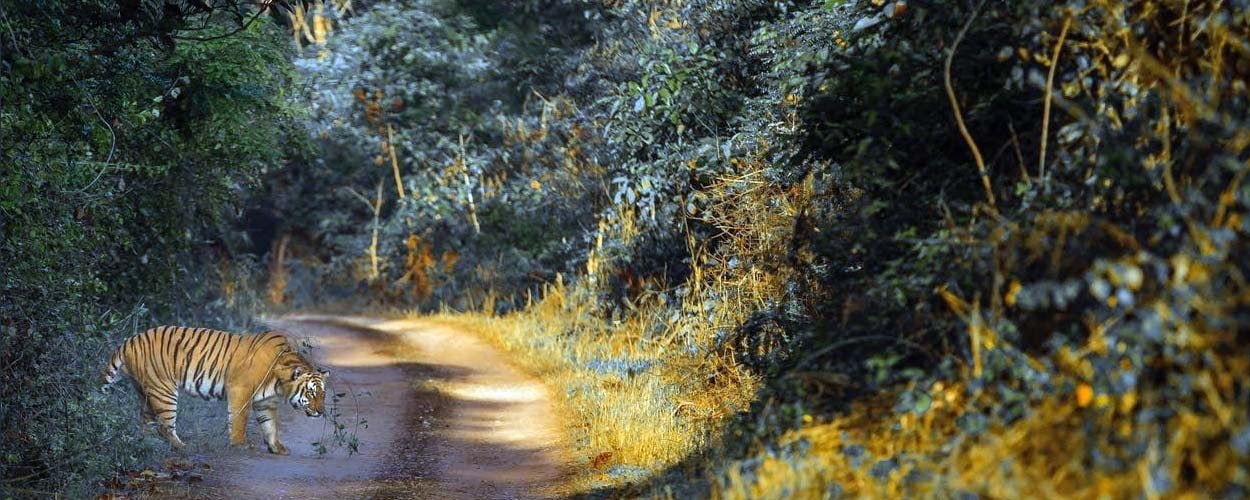
Do's & Don'ts in Jim Corbett National Park
Jim Corbett National Park is a protected wildlife destination known for its rich biodiversity, landscapes and healthy tiger population. While the park welcomes thousands of visitors every year, it operates under strict rules designed to protect both wildlife and visitors. Understanding the essential Do's and Don'ts ensures you have a safe, responsible and memorable experience during your safari, forest lodge stay or nature tour.
This detailed guide covers all important guidelines, safety instructions, photography rules, ethical wildlife practices, and behavior guidelines inside the forest. Following these rules helps preserve Corbett's sensitive ecosystem and ensures a safe visit for everyone.
Important Do's for Visitors
The following actions help you enjoy Corbett responsibly while respecting the forest environment and wildlife.
1. Follow All Forest Department Guidelines
Every visitor must follow the rules issued by the forest authorities. These regulations are designed to maintain safety and ecological balance. Listen to your guide carefully and follow instructions throughout the safari.
2. Carry Valid Identification
You must carry the same government ID that you used during safari permit booking. This is mandatory for gate entry.
3. Maintain Silence During Safari
Quiet surroundings improve your chances of spotting wildlife. Loud voices can disturb animals and reduce natural sightings.
4. Wear Comfortable, Neutral-Colored Clothing
Earthy tones like green, brown, beige or grey blend well with the natural environment and help avoid unnecessary attention from animals.
5. Stay Inside the Vehicle at All Times
It is strictly prohibited to step out of the safari jeep except at designated points permitted by forest officials.
6. Keep Your Camera Ready
Wildlife sightings can happen at any moment. Keep your camera or mobile handy with silent mode enabled.
7. Respect Wildlife from a Safe Distance
Maintain proper distance from animals. Allow them to move freely without any disturbance.
8. Carry Essentials
Recommended items:
- Water bottles
- Caps or hats
- Sunscreen
- Binoculars
- Tissues and hand sanitizer
9. Book Safaris in Advance
Safari permits are limited and often sell out early, especially for Bijrani, Garjiya and Dhikala zones. Booking in advance ensures availability.
10. Choose Resorts Near Your Safari Gate
This saves travel time and ensures you reach on time for early morning safaris.
11. Support Responsible Tourism
Respect local traditions, buy local handicrafts and encourage eco-friendly travel wherever possible.
12. Follow Safety Instructions in Forest Lodges
Inside forest rest houses like Dhikala, movements after sunset are restricted. Always follow lodge rules for safety.
Important Don'ts for Visitors
The national park follows strict regulations to protect wildlife and ensure safety. Violating these rules may lead to penalties or safari cancellation.
1. Do Not Litter
Throwing trash, especially plastic, harms wildlife and damages the forest ecosystem. Take back whatever you bring.
2. Do Not Feed Animals
Feeding wildlife disrupts their natural behavior, makes them dependent on humans and can lead to dangerous situations.
3. Avoid Loud Noises
Shouting, clapping, or playing music is strictly prohibited. Noise disturbs wildlife and reduces sighting opportunities.
4. Do Not Smoke or Light Fire
Forest fire risk is extremely high. Smoking, lighting matches or carrying flammable materials is completely banned.
5. Do Not Use Flash Photography
Flash disturbs animals, especially nocturnal species and birds. Always keep flash disabled during safari.
6. Do Not Drink Alcohol Inside the Forest
Alcohol consumption during safaris or in forest lodges is prohibited and unsafe.
7. Do Not Stop the Jeep Unnecessarily
Only the guide and driver decide when and where to halt. Stopping without reason causes traffic and safety issues.
8. Do Not Try to Get Close to Animals
Animals may behave unpredictably. Maintain a responsible distance at all times.
9. Do Not Carry Firearms or Sharp Objects
Weapons of any kind are strictly prohibited.
10. Do Not Take Risky Selfies
Leaning out of the jeep or standing during sightings can be extremely dangerous.
Safety Guidelines for Visitors
These safety measures ensure a smooth and secure wildlife experience:
- Always stay seated during the safari.
- Follow your guide's commands without hesitation.
- Do not wear strong perfumes or deodorants.
- Keep mobiles on silent or vibration mode.
- Use seat belts if provided.
- Do not attempt to track animals on foot.
- Be patient-wildlife sightings require time.
Do's & Don'ts for Staying Inside Forest Lodges
Do's:
- Follow the night-time restriction rules.
- Keep doors and windows closed at night.
- Store food safely to avoid attracting animals.
- Listen to the lodge staff for safety instructions.
- Use provided solar lights responsibly.
Don'ts:
- Do not walk outside after dark.
- Do not wander alone near riverbanks.
- Do not make noise as it disturbs lodge surroundings.
- Do not attempt to enter restricted forest areas.
Ethical Wildlife Viewing Guidelines
Responsible wildlife tourism protects the delicate balance of nature. Ethical behavior ensures long-term conservation.
- Observe animals quietly without interrupting their natural behavior.
- Do not corner animals or block their movement.
- Avoid creating dust by requesting slow driving in sandy zones.
- Give priority to wildlife crossings.
- Share safari routes responsibly and avoid crowding.
Photography Do's & Don'ts
Photography Do's:
- Use silent shutter mode if available.
- Carry a zoom lens for safe long-distance photography.
- Shoot during early morning and late afternoon for better lighting.
- Capture landscapes, birds and forest textures for variety.
Photography Don'ts:
- Do not use flash.
- Do not block the road while photographing.
- Do not attempt close-ups by leaning out dangerously.
Do's & Don'ts for Families With Kids
Do's:
- Keep children seated and calm.
- Explain forest rules before the safari.
- Carry snacks and water.
- Plan bathroom breaks before entering the gate.
Don'ts:
- Do not allow kids to stand in the moving vehicle.
- Avoid bright clothes and noisy toys.
- Do not visit restricted areas.
Additional Tips for a Smooth Visit
- Book your safari as early as possible.
- Reach the entry gate 30 minutes before reporting time.
- Choose neutral clothing for camouflage.
- Carry a sweater or jacket for winter safaris.
- Bring power banks and waterproof covers.
- Check weather updates before your trip.
- Avoid last-minute travel during monsoon.
Jim Corbett National Park is one of India's most beautiful natural treasures, and experiencing it responsibly ensures that this ecosystem remains healthy for future generations. By understanding and following the essential Do's and Don'ts, travelers contribute to wildlife protection, personal safety and sustainable tourism.
Whether you are embarking on a jeep safari, staying in a forest lodge, enjoying a riverside resort or exploring scenic forest routes, these guidelines help you enjoy a better, safer and more respectful experience. For personalized travel support, safari bookings and expert advice, Corbett Travel Experts is always here to help.
Corbett Travel Experts is a dedicated local travel facilitator based near Jim Corbett National Park, helping visitors plan safe, comfortable and well-guided wildlife trips. Corbett Travel Experts focuses on clear communication, reliable coordination and smooth arrangements, making it easier for families, couples, groups and nature lovers to explore Corbett responsibly and enjoy a memorable travel experience.